
Most apps never make meaningful revenue. A tiny set become "home runs" because they nail a painful problem, build a moat, and monetize with discipline.
These are large-scale "home run" apps that make money. If you want indie/small examples making $10k–$80k/month, see our indie apps list.
These are the stories and strategies behind products that didn't just work, but scaled.
Quick Summary
| App | Revenue/Month | Model | Primary Growth Channel |
|---|---|---|---|
| Todoist | ~$930k | Freemium subscription | Cross-platform sync + word-of-mouth |
| Gumroad | ~$1.8M | 10% transaction fee | Creator network effects |
| Bannerbear | ~$83k | Tiered API subscription | Developer content + docs |
| Headspace | ~$29M | B2C + B2B subscription | Science-backed content + corporate sales |
| Rover | ~$14.5M | 20% commission | Trust infrastructure + local density |
| Plaid | ~$32.5M | Per-API-call + enterprise | Developer evangelism |
| Notion | ~$41.7M | Freemium + team tiers | Single-user to team expansion |
| Pietra | ~$1.1M | Subscription + fulfillment fees | AI-powered commerce OS |
| CARROT Weather | ~$200k | One-time + subscription | Personality differentiation |
| Make | ~$3.33M | Usage-based subscription | Visual workflow builder + app ecosystem |
Key Takeaways
- Laser-focused pain points win. Each app solves one specific problem exceptionally well.
- Revenue model comes first. Successful founders chose monetization strategy before writing code.
- Retention beats acquisition. All ten apps boast <5% monthly churn.
- Build infrastructure moats. Compliance, insurance, clinical validation—hard-to-replicate advantages.
- Freemium works at scale. Strategic feature gating converts free users into paying customers.
- B2B multiplies lifetime value. Corporate clients reduce marketing costs and increase contract sizes.
- Network effects compound. Marketplaces and platforms grow faster as more users join.
The Subscription Productivity Suite: Todoist Premium
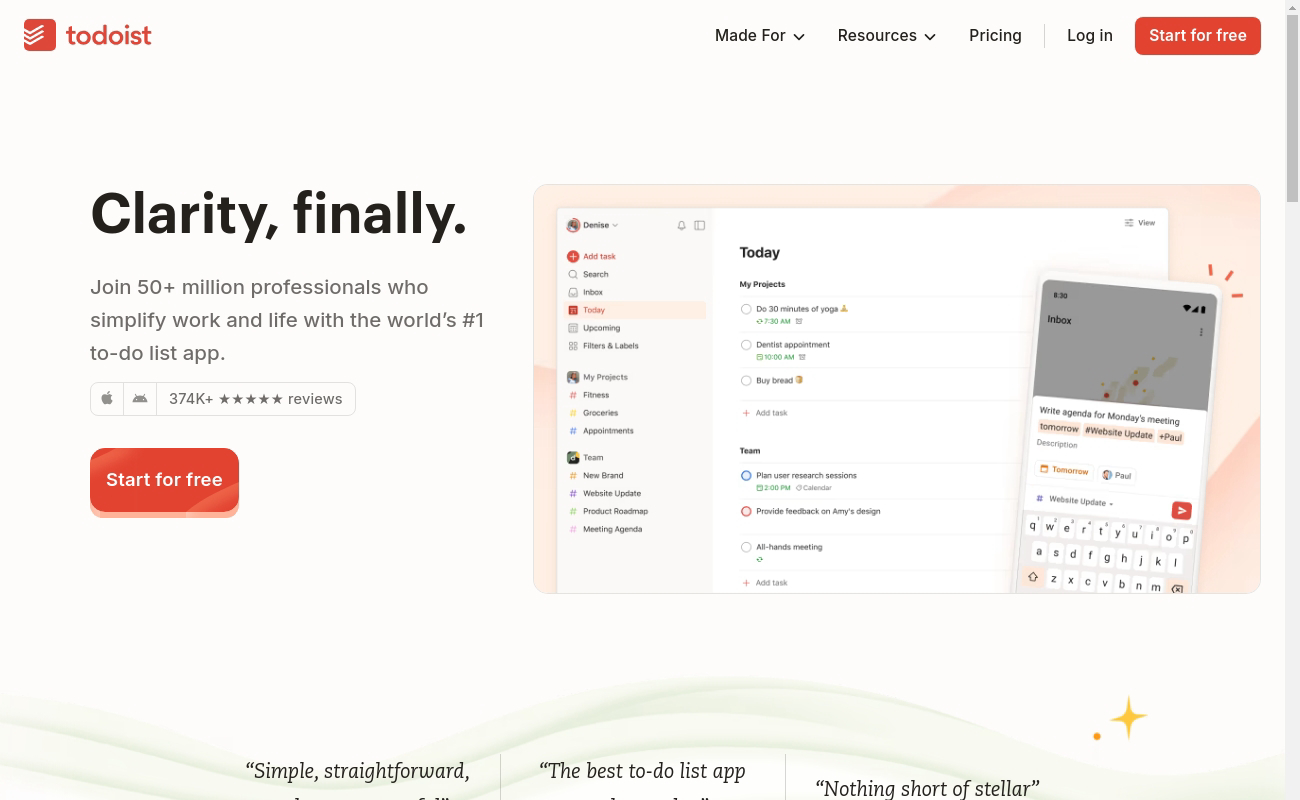
Revenue: ~$0.93M/month
Monetization Model: Freemium subscription
Founder: Amir Salihefendić
How It Makes Money
Todoist converted 4% of its 30 million free users into paying subscribers through strategic feature gating. The free version handles basic task management, but power users hit limitations quickly. Project templates, advanced filters, and team collaboration all sit behind the $5/month premium tier.
Key Success Factors
- Strategic Freemium Design: Free users can accomplish 80% of tasks, but the remaining 20% (most valuable to professionals) requires payment
- Cross-Platform Sync: Available on 15+ platforms, creating stickiness and reducing churn to 3.2% annually
- Passionate Niche: Targeted productivity enthusiasts who evangelize the product organically
Your Takeaway: When learning how to make an app that makes money, focus on a specific professional workflow. Gate the advanced features that save time or generate revenue for users.
The Creator Economy Marketplace: Gumroad
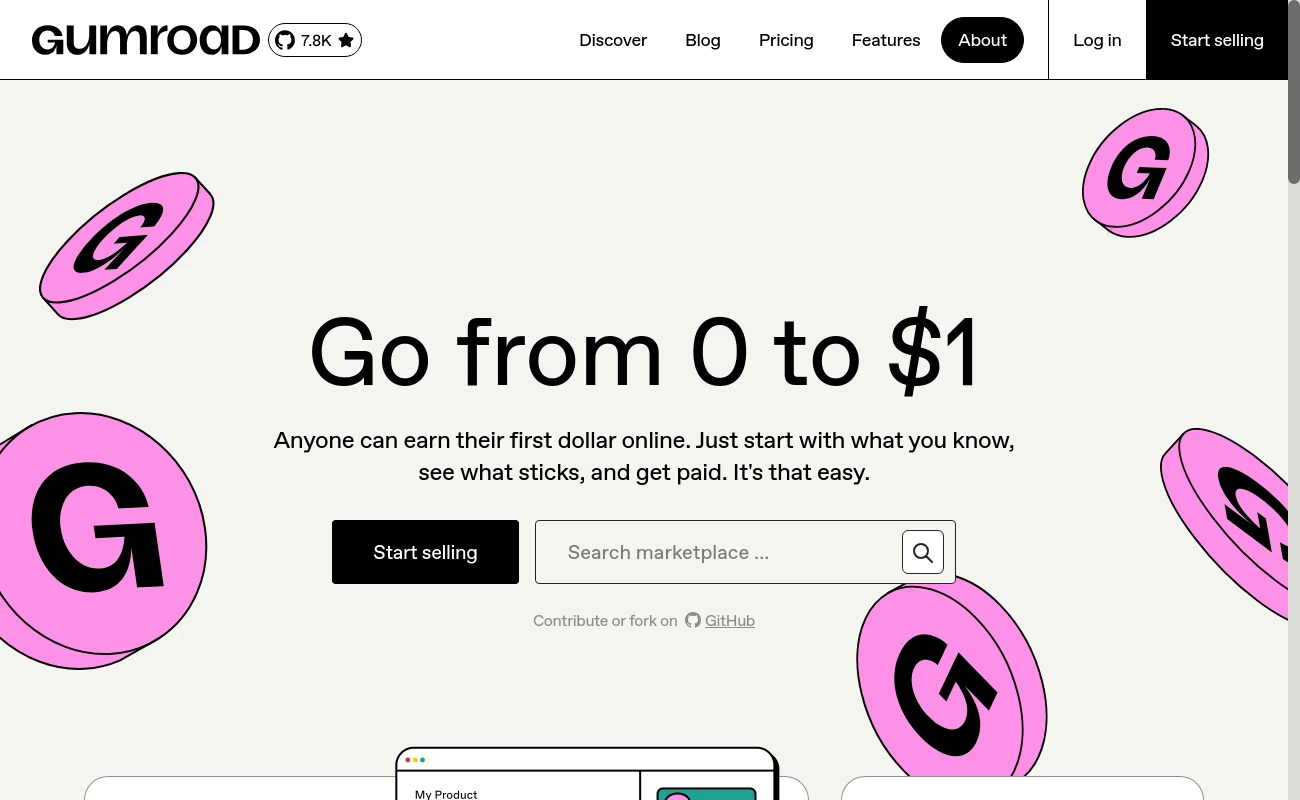
Revenue: ~$1.8M/month (platform fees)
Monetization Model: Transaction commission (10% flat fee)
Founder: Sahil Lavingia
How It Makes Money
Gumroad takes a 10% cut of every digital product sale. At ~10% fees, ~$1.8M/month implies roughly ~$18M/month in creator sales flowing through the platform. The genius? They solved payment processing, file delivery, and affiliate tracking—all the technical headaches creators face.
Key Success Factors
- Zero Upfront Cost: Creators only pay when they make money, removing barrier to entry
- Network Effects: Every seller promotes their own products, bringing new buyers to the platform
- Pain Point Perfection: Single focus on "I have a digital product, how do I sell it?"
Your Takeaway: Marketplace models scale revenue exponentially without proportional cost increases. Identify a community struggling to monetize their work. For creating your own digital marketplace, review Best Online Business Models for 2025: Complete Guide.
The Micro-SaaS for Developers: Bannerbear
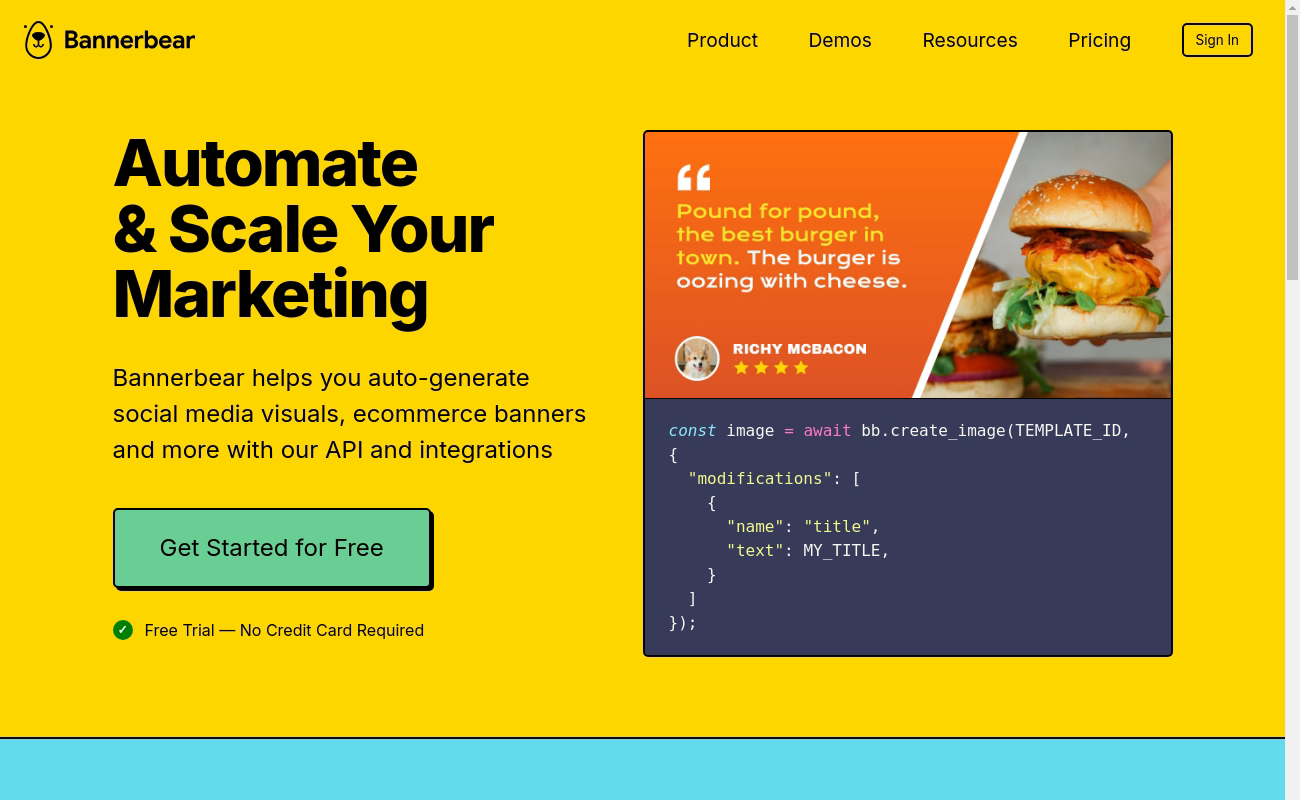
Revenue: ~$83k/month
Monetization Model: Tiered subscription based on API calls
Founder: Jon Yongfook
How It Makes Money
Bannerbear automates image generation for developers and marketers through an API. Users pay $49-$299/month based on monthly image generation volume. With a 4.8% monthly churn rate, each customer has a lifetime value exceeding $1,800.
Key Success Factors
- Hyper-Specific Use Case: "Automate social media banner creation" instead of generic "design tool"
- Developer-First UX: API documentation and SDKs made integration frictionless
- Usage-Based Pricing: Customers pay more as their business grows, naturally expanding revenue
Your Takeaway: The richest opportunities in how to make an app that makes money live in boring, repetitive tasks. Find a workflow developers hate and API-ify it. (Yes, we featured it in 10 apps making 5 figures as well. That's how far they have come!)
The Wellness Subscription: Headspace
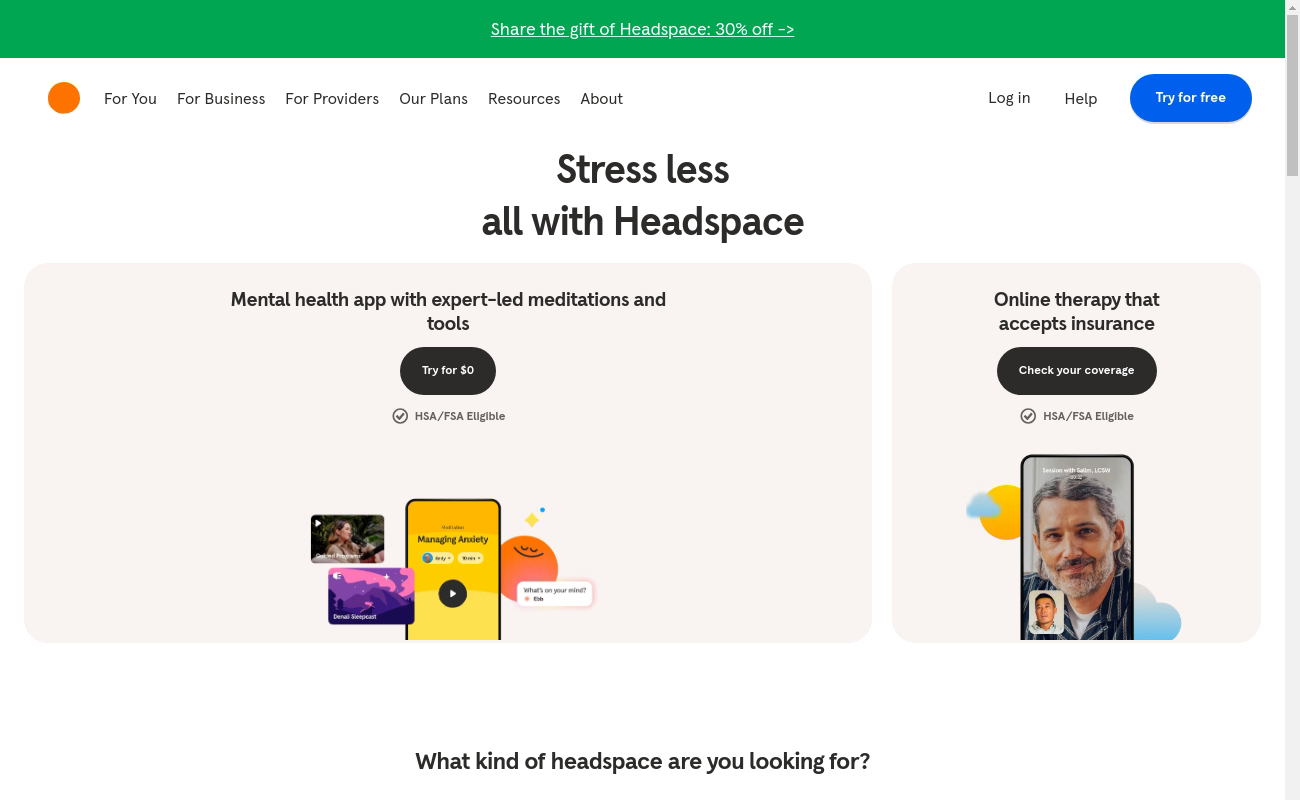
Revenue: ~$29M/month average
Monetization Model: B2C subscription + B22B partnerships
Founders: Andy Puddicombe, Rich Pierson
How It Makes Money
At $12.99/month for individuals and enterprise deals starting at $10k/year, Headspace monetizes mental health for consumers and corporations. Their 700+ corporate clients include Google and Starbucks, contributing 40% of total revenue.
Key Success Factors
- Science-Backed Content: Clinical validation justified premium pricing and corporate sales
- Habit Formation Design: Daily streaks and progress tracking boosted retention to 85% after year one
- Content Moat: 1,000+ hours of exclusive meditation content creates high switching costs
Your Takeaway: Content-driven apps need massive libraries to justify subscriptions. Partner with experts for credibility. Explore How to Monetize Your Expertise: Turn Knowledge Into Income for strategies on packaging your knowledge.
The Niche Marketplace: Rover
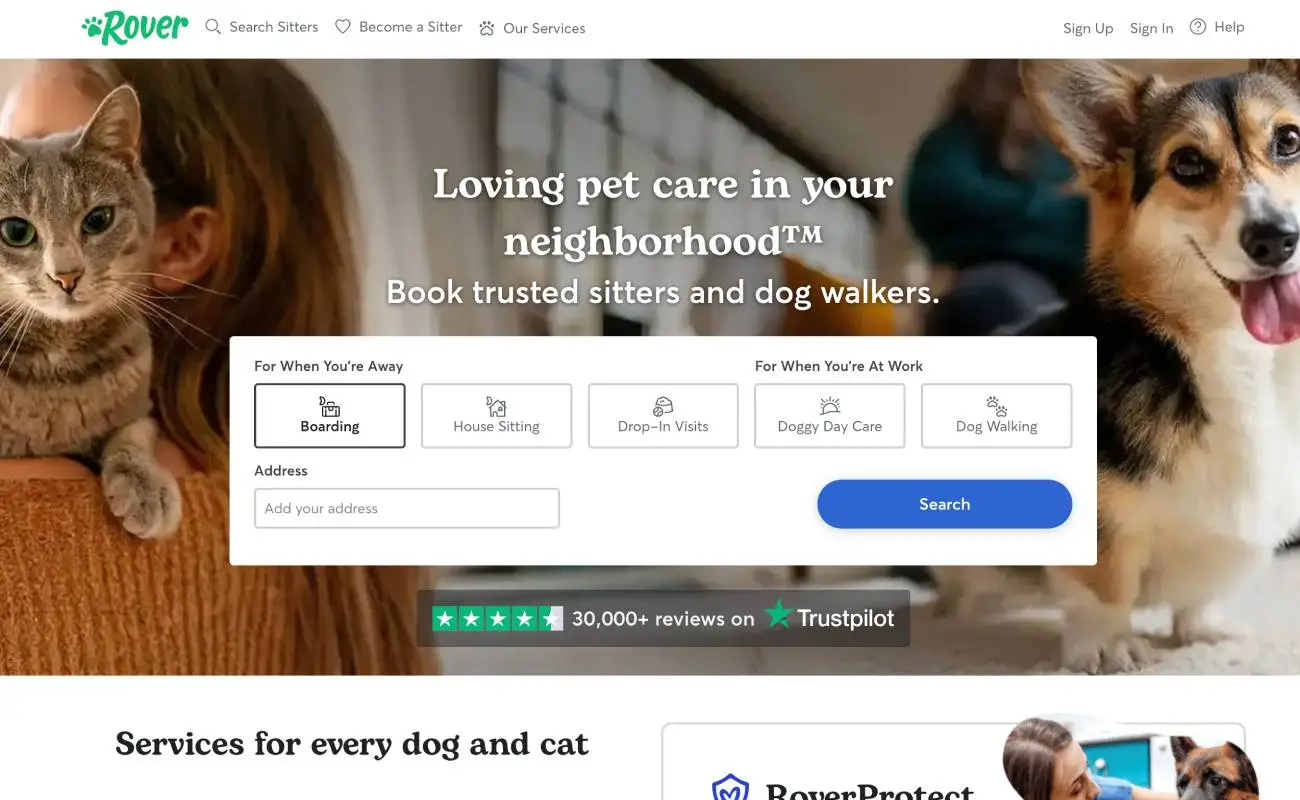
Revenue: ~$14.5M/month average
Monetization Model: 20% commission + subscription fees
Founders: Aaron Easterly, Philip Kimmey, Greg Gottesman
How It Makes Money
Rover connects pet owners with sitters, taking 20% of each booking plus $25-50 background check fees. With average bookings of $300 and repeat customers using the service 8x annually, lifetime customer value exceeds $480.
Key Success Factors
- Trust Infrastructure: $1M insurance policy and 24/7 vet support justified premium pricing
- Counterintuitive Niche: "Uber for dogs" seemed crazy until they captured the $38B pet care market
- Network Density: Focused on zip code saturation to ensure supply-demand balance
Your Takeaway: Marketplaces thrive on trust and local density. Solve the trust problem first. For managing marketplace operations efficiently, see Automate Your Business Processes (2026 Full Guide).
The API-First SaaS: Plaid
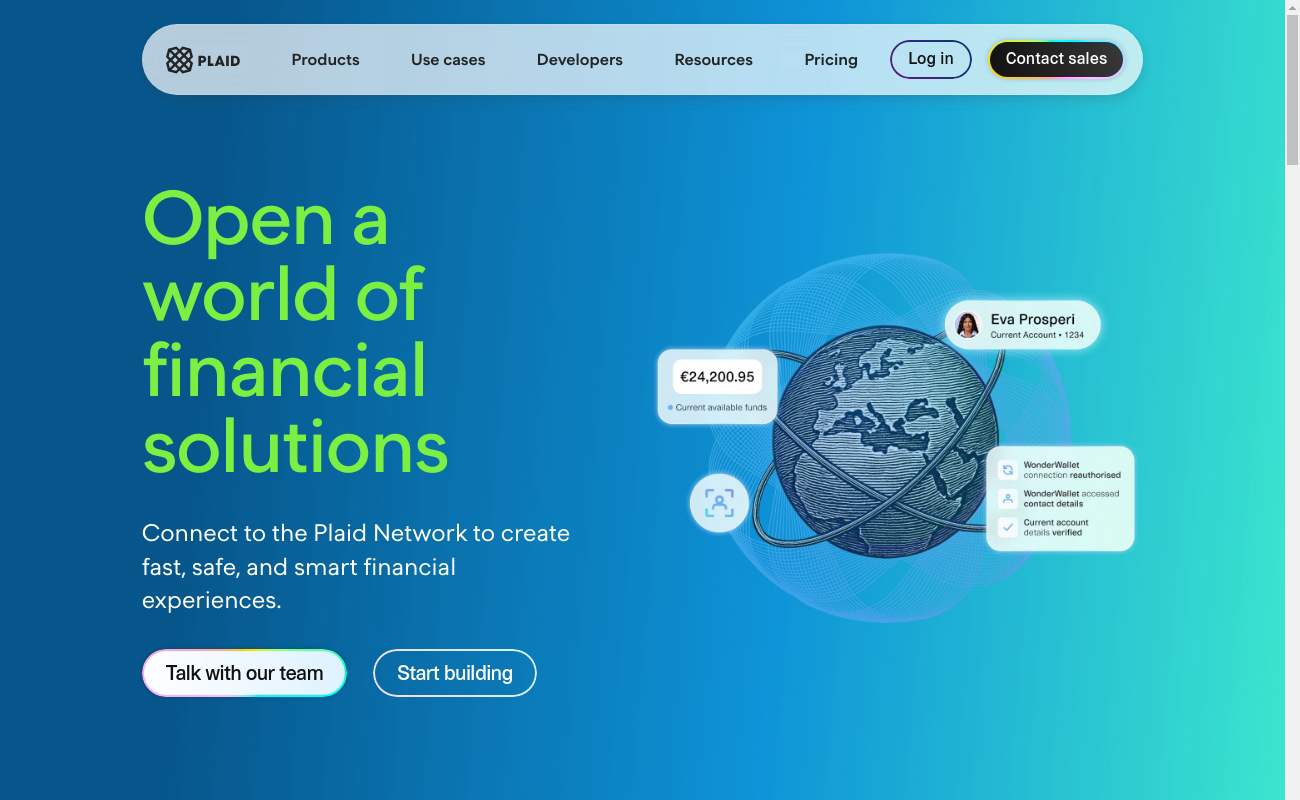
Revenue: ~$32.5M/month average
Monetization Model: Per API call + enterprise contracts
Founders: Zach Perret, William Hockey
How It Makes Money
Plaid charges fintech apps $0.30 per bank connection, with enterprise clients paying six-figure annual contracts. Processing over 2 billion connections monthly for clients like Venmo and Robinhood, their revenue compounds as their customers grow.
Key Success Factors
- Infrastructure Play: Critical infrastructure commands higher pricing and longer contracts
- Developer Evangelism: Free tier for testing created bottom-up adoption in engineering teams
- Regulatory Moat: Banking data compliance created massive barriers to entry
Your Takeaway: Building for other businesses (B2B) reduces marketing costs and increases lifetime value. If you can handle complexity others avoid, you capture value.
The All in One Platform: Notion
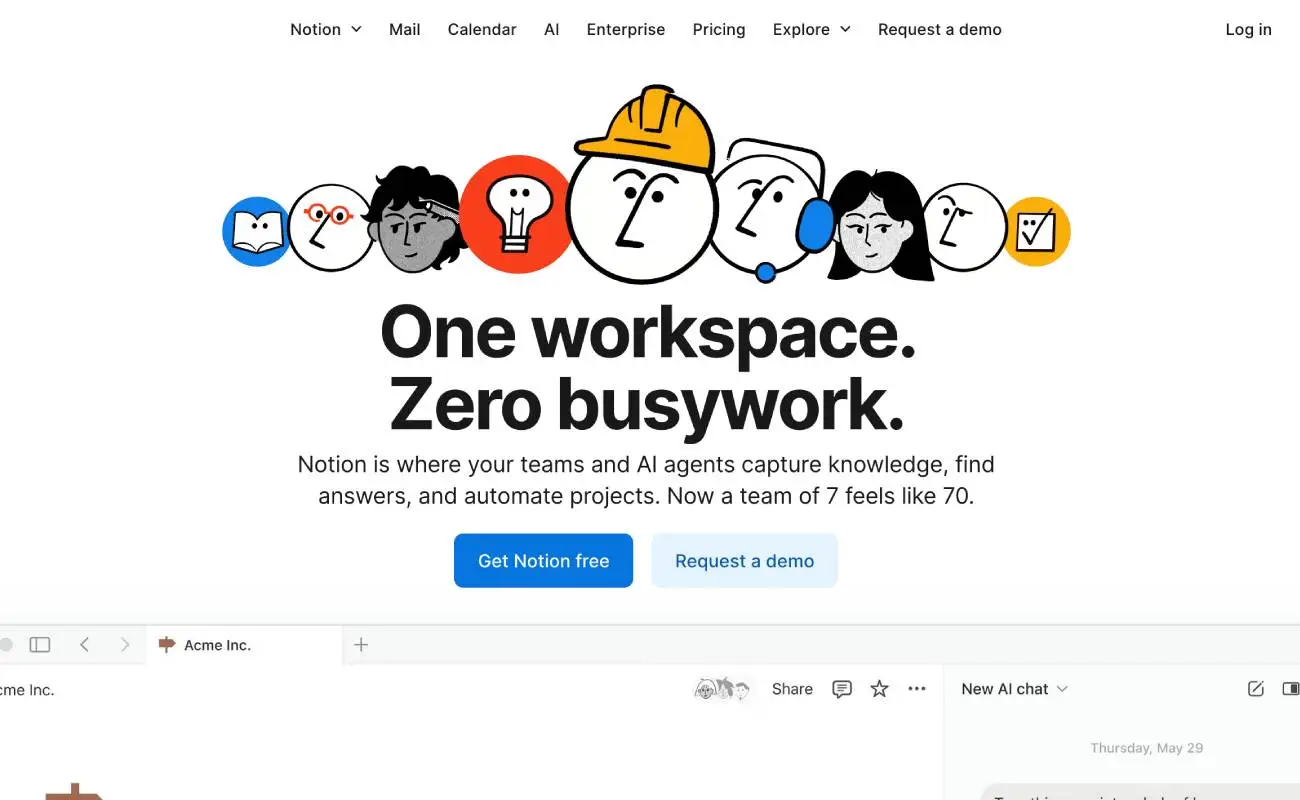
Revenue: ~$41.7M/month
Monetization Model: Freemium + team collaboration tiers
Founders: Ivan Zhao, Simon Last
How It Makes Money
Notion's secret weapon is making individual users successful, then upselling when they need team features. The free personal plan is generous, but teams pay $8-10/user/month. With 30 million users and 4 million paid seats, their team-focused expansion drives revenue.
Key Success Factors
- Single-User Value: Product works perfectly for individuals, creating organic adoption
- Collaboration Gravity: Once teams start using it, switching costs become prohibitive
- Template Ecosystem: User-generated templates reduce onboarding friction and increase activation
Your Takeaway: Build for individuals, monetize teams. Create network effects through collaboration features.
The AI Commerce OS for Commerce Teams: Pietra
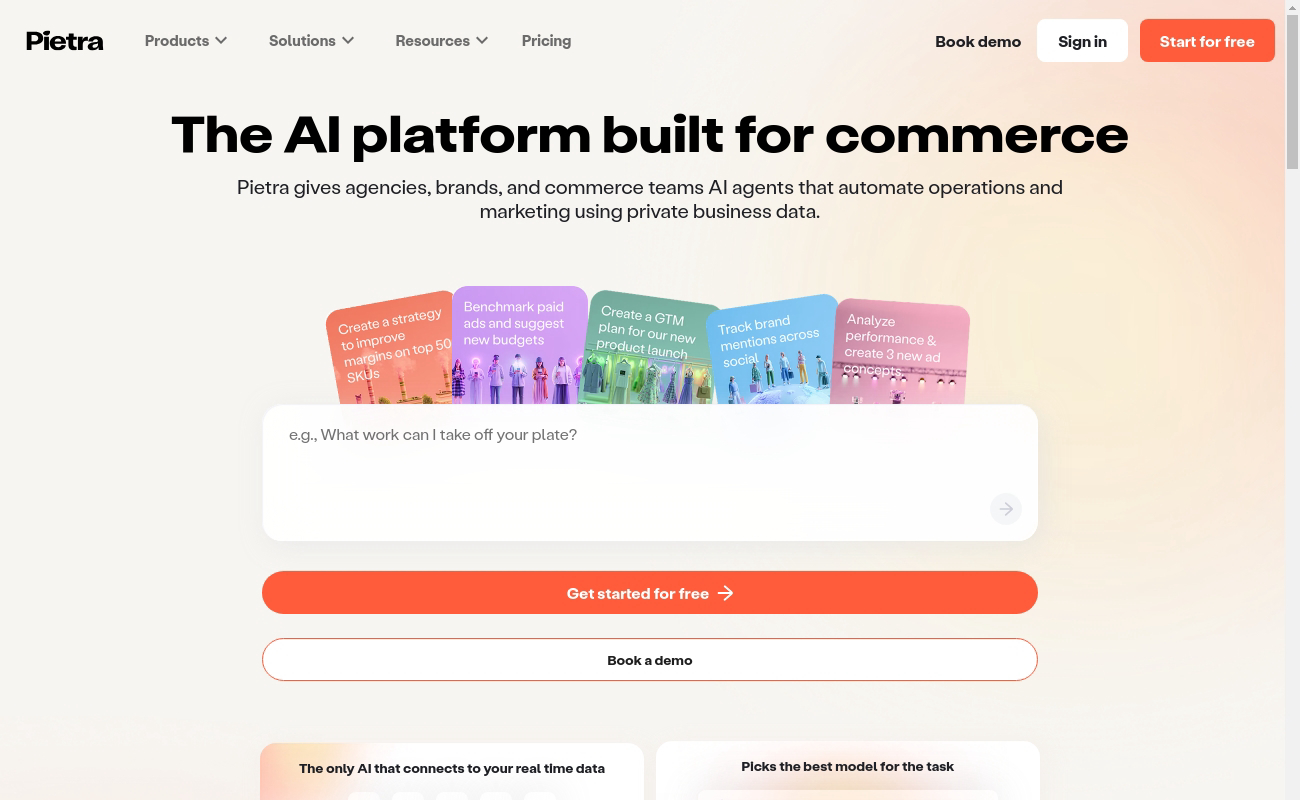
Revenue: ~$1.1M in Aug 2025
Monetization Model: Subscription (commerce OS) + fulfillment & sourcing fees
Founder: Ronak Trivedi
How It Makes Money
Pietra sells an AI Commerce OS that plugs directly into Shopify, Meta, Google, and fulfillment data. Members pay a recurring subscription for AI agents that orchestrate sourcing, supply chain, fulfillment, and marketing, while Pietra earns additional margin on 3PL fulfillment, shipping, and supplier negotiations run through its platform. The automation reduces time spent on operations so members can scale with a smaller headcount.
Key Success Factors
- AI Agents + Real-Time Data: Connects to each brand’s commerce stack to surface sourcing, inventory, and marketing actions without manual spreadsheets
- Integrated Fulfillment Network: Enables smoother operations with pre-negotiated rates, lower incidents, and transparent tracking
- Workflow Automation: Combines sourcing, logistics, and marketing automations so a few operators can run multiple brands
Your Takeaway: Creator economy tools succeed by handling the "boring" backend work. Charge for access, then take a piece of success.
The Utility-First Mobile App: CARROT Weather
Revenue: ~$200k/month (est.)
Monetization Model: One-time purchase + subscription tiers
Founder: Brian Mueller
How It Makes Money
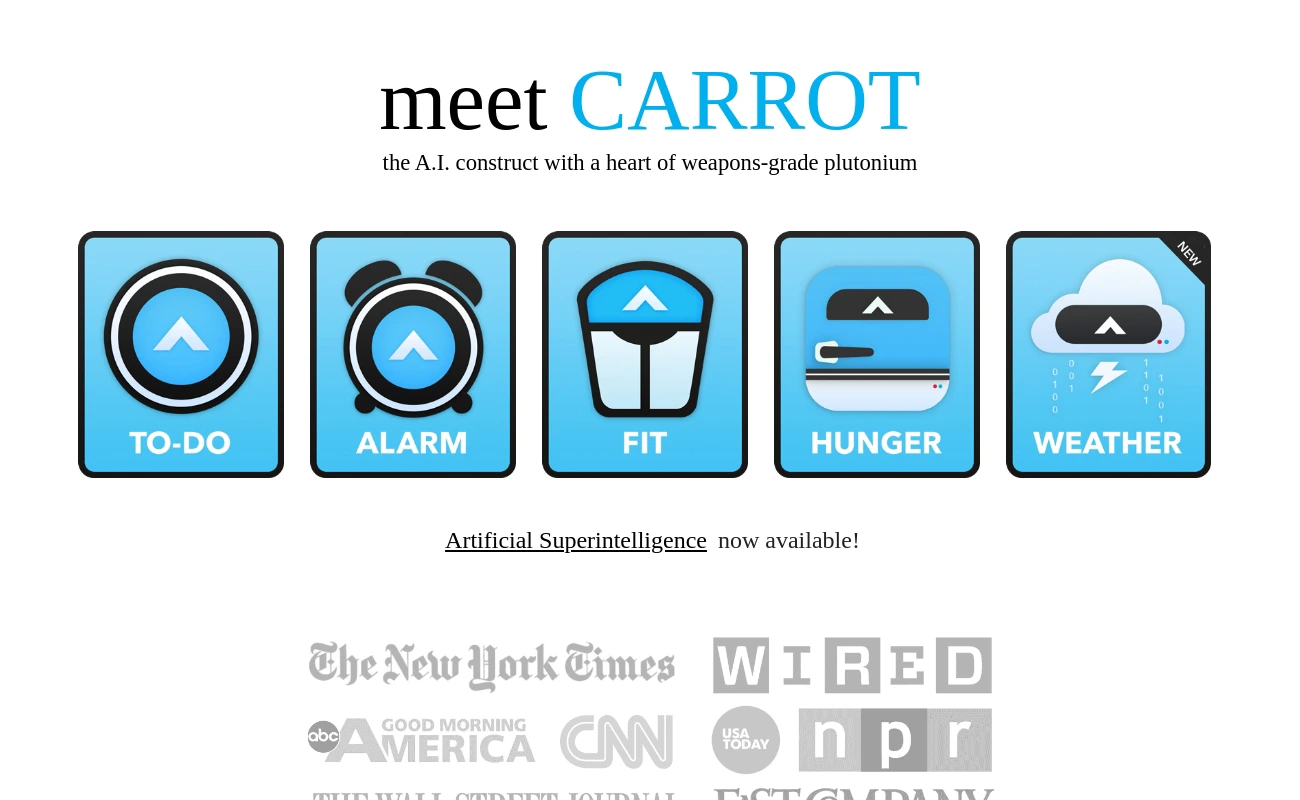
A single developer built CARROT Weather, charging $4.99 upfront plus $0.99-9.99/year for premium features like weather maps and notifications. With 50,000+ paying users and a 4.8-star rating, this indie app proves solo developers can still win.
Key Success Factors
- Personality Differentiation: Sarcastic AI personality turned a commodity (weather data) into entertainment
- Premium Data Sources: Paid API access to superior weather data justified premium pricing
- Apple Ecosystem Native: Deep integration with Apple Watch and iOS widgets created lock-in
Your Takeaway: Even saturated markets (weather apps) reward unique positioning. Personality and data quality beat feature bloat.
The B2B Automation Tool: Make
Revenue: ~$3.33M/month
Monetization Model: Usage-based subscription
Founders: Ondřej Gazda, Patrik Šimek
How It Makes Money
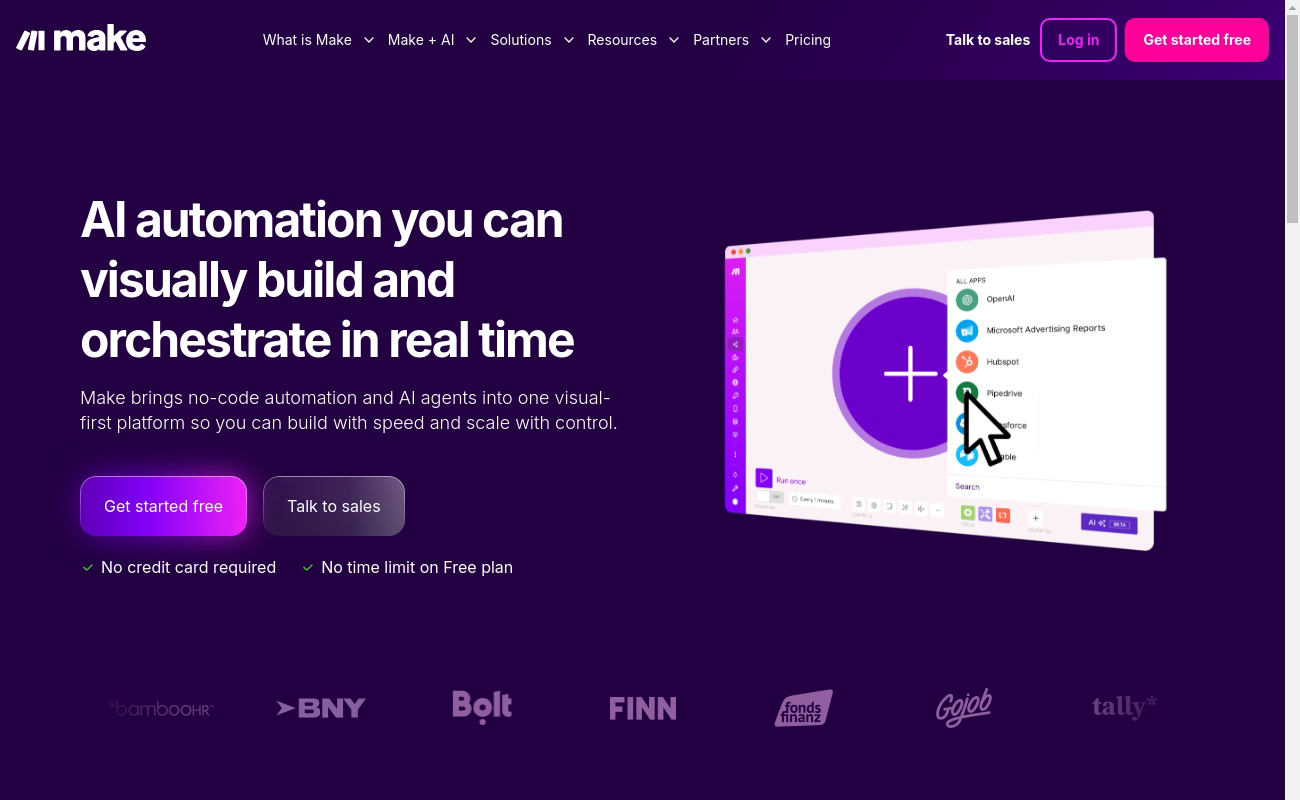
Make charges $9-299/month based on "operations" (tasks automated). With 500,000+ users automating processes across 1,500+ apps, their usage-based model means revenue grows as customers succeed. Enterprise clients spend $50k+ annually.
Key Success Factors
- Visual Workflow Builder: Drag-and-drop interface made complex automation accessible to non-developers
- App Ecosystem: Deep integrations with every major SaaS tool created irreplaceable value
- Template Marketplace: 10,000+ pre-built scenarios reduced time-to-value to under 10 minutes
Your Takeaway: Automation tools monetize saved time. The more you save, the more you can charge. For process automation strategies, see Workflow Automation Software: How to Reduce Costs and Boost Revenue and Process Automation benefits - Maximize Your Automation ROI.
What These Home Run Apps Share
Analyzing these ten success stories reveals four non-negotiable patterns for how to make an app that makes money:
1. Laser-Focused Pain Points
Each app solves one specific problem exceptionally well. Notion handles documentation and collaboration. Bannerbear automates image generation. The broader you go, the harder you fail.
2. Revenue Model-First Development
Successful founders chose their monetization strategy before writing code. Freemium requires different UX than marketplace commissions. Your revenue model dictates your feature set, not the reverse.
3. Retention > Acquisition
All ten apps boast <5% monthly churn. They obsess over daily active usage, not downloads. An app with 1,000 users paying $10/month for three years beats an app with 100,000 users who churn after 30 days.
4. Infrastructure Moats
Plaid's banking compliance, Rover's insurance, Headspace's clinical validation are all competitive walls. The harder something is to build, the more valuable it becomes.
Action Framework: How to Build an App That Makes Money
Ready to apply these lessons? Here's your step-by-step blueprint:
Week 1-2: Problem Discovery
Interview 50 potential users about their current workflow. Don't ask what app they want; ask what they hate about their current process. Document every manual step they take.
Week 3-4: Model Mapping
Choose one monetization model from the list above. Map exactly how users will pay and what triggers that payment. For subscription apps, define your free vs. paid feature wall.
Week 5-8: Build the "Aha!" Moment
Use an AI app builder to rapidly prototype. Your goal: get users to value in under 3 minutes. Everything else is secondary.
Week 9-12: Monetization Launch
Launch paid features on day one. Even if conversion is 0% initially, you need the data. You can use various suggestions in our sales automation tools guide to automate trial-to-paid conversion sequences.
Month 4+: Retention Obsession
Measure daily active users, session length, and feature adoption. If retention <40% after month one, pivot immediately. No marketing budget can fix a leaky product.
Why Most Apps Fail to Make Money
The graveyard of failed apps is filled with founders who:
- Built features instead of outcomes: Users don't want dashboards; they want saved time
- Charged too late: Introducing payments after users expect free creates backlash
- Ignored network effects: Marketplaces without density die; tools without collaboration plateau
- Undervalued trust: Especially in B2C, trust infrastructure (insurance, guarantees) is non-negotiable
Final Takeaway: Start With Monetization, End With Automation
These home run apps didn’t stumble into revenue—they engineered it from conception. They chose models matching their user behavior, built features that lock in value, and automated everything possible.
Your path forward is clear:
- Pick a monetization model from the ten above that fits your skills
- Find 50 people with a painful, repetitive task in that niche
- Build the simplest solution using modern no-code platforms and AI builders
- Charge on day one and optimize for retention, not downloads
The difference between a hobby app and an app that makes money isn’t code quality—it’s strategic focus on revenue from the first line of design.
Frequently Asked Questions
How long does it typically take to build an app that makes money?
Based on our case studies, B2B apps average 8-14 months; B2C apps 12-24 months. Marketplaces take longest due to network effects.
Do I need venture funding to build a $10k/month app?
Absolutely not. CARROT Weather and Bannerbear were built by solo developers. Funding accelerates growth but isn't required for profitability.
What's the best monetization model for beginners?
Subscription freemium offers predictable revenue. See our hiring a developer vs. no-code guide to understand development costs before committing.
How important is the app store vs. web-based?
For B2C, app store distribution is critical. For B2B, web-based with API access commands higher pricing and lower churn.
Can I really build this without coding skills?
Yes. Modern no-code platforms and conversational AI builders enable non-technical founders to launch sophisticated apps in weeks, not years.
Ready to transform your app idea into a revenue-generating machine? Start by identifying which of these ten models aligns with your expertise, then validate relentlessly with real users before writing a single line of code.
Ready to turn one of these home-run models into your own product? Schedule a consultation to explore how we can help you validate, build, and automate quickly.